Are You Seeing the Decision — or Your Past?
The hidden filters shaping every choice you make

Hi friend,
How are you? Nice to see you here.
Don’t think I take it for granted. So thanks again.
Here is something that happened to me the other day.
It was Saturday lunchtime.
You know, it’s that day in the week where you have extra time to invest in making something that may take longer to prepare - but is by far tastier.
That is, of course, if you like to cook.
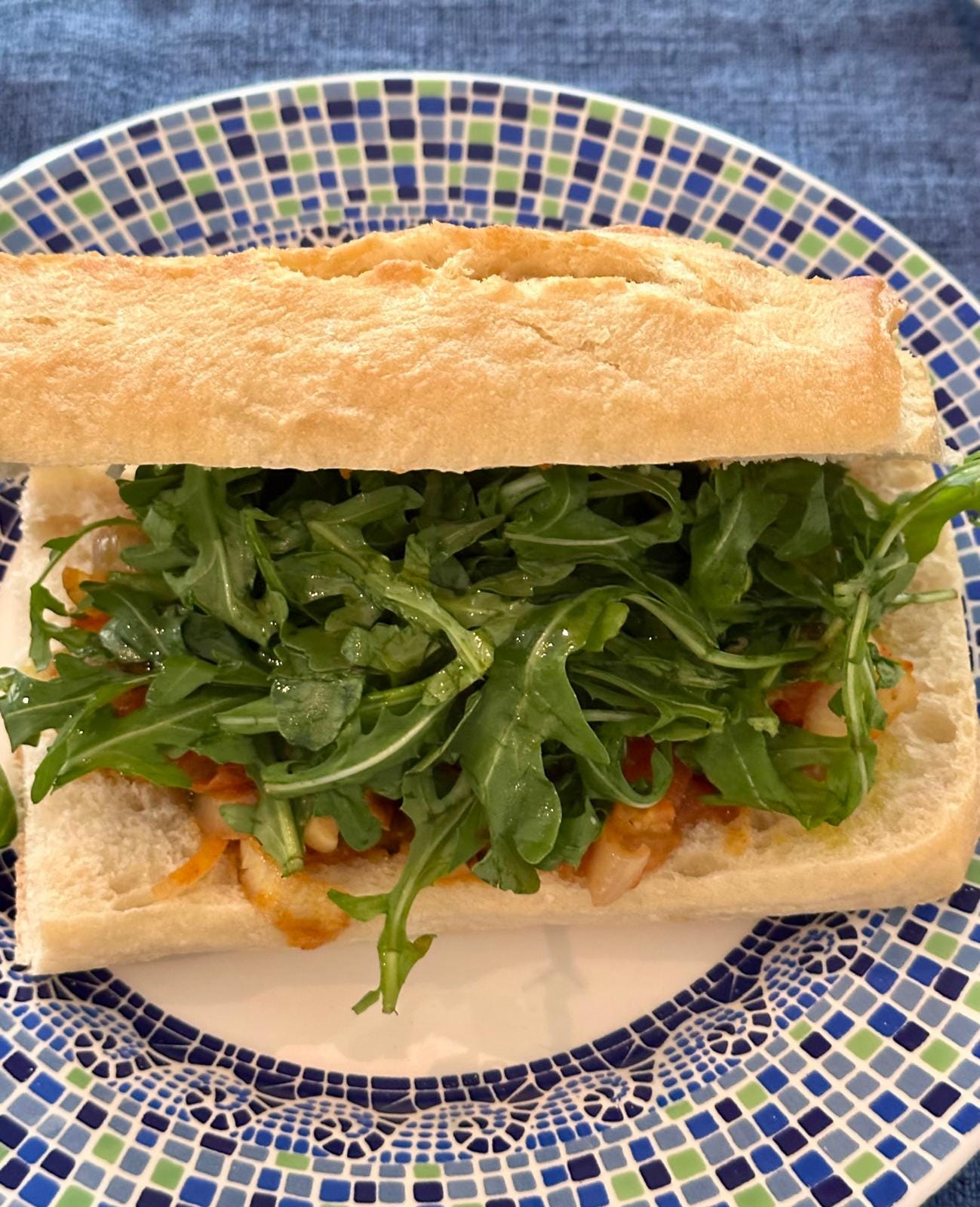
That day, I had a craving for a sandwich on a fresh baguette with herbed frittata and lemony olive-oiled arugula. Easy, right?
Classic street food.
To make it interesting, I decided to add an Italian dried tomato paste for an extra kick.
It ended up tasty but messy. Every bite turns my face into a 3-year-old's.
A month passed. Another weekend came in.
I now have another craving to make the same sandwich.
I’ll stop here.
What will you do?
Will you avoid using that delicious, yet runny, tomato paste?
Or
Try to fix the problem by first filtering the extra fluids?
Would it even cross your mind?
Why care?
I shared this short tale to bring up a much larger truth.
As part of our built-in survival instinct toolkit, we’re constantly processing new information against our databases of past experiences.
This helps us make sense of the world around us to inform our decisions.
Even as you’re reading these lines right now, I bet you’re scanning your own “database” for relevant bridges.
In Behavioral Psychology, this “database” is called Prior:
Prior represents an individual’s pre-existing beliefs, knowledge, or assumptions before new, specific information is taken into account. It acts as a framework or expectation that influences how new information is perceived and processed.
-Wikipedia
In storytelling lingo, we call it a narrative, a popular belief you hold (negative, neutral or positive) that is made up of individual past stories.
These stories serve as proof points to the narrative validity.
Broadly speaking, with the same negative experience (story), people can have two modes of decision-making:
Loss aversion or defensive decision-making, which practically avoids the option altogether, even if it has upside.
Learning orientation or adaptive decision-making, where you’re in essence in a learning mode, revisiting the choice, adjusting variables, always optimizing.
Knowing this, now turn your camera angle to your business.
What decision-making style are you using when facing dilemmas?
Obviously, this sandwich tale is oversimplified.
In real life, complex, high-stakes dilemmas carry many other variables that affect various directions you can take.
Things like:
Time - How long have you been trying to solve the problem
Cost - Your current investment vs. your future one if you pick a certain course of action
The stakes - What will happen if we don’t solve the problem?
Response - What were your signals from the field? From customers? Partners? Your team? Advisory board members? Negative? Neutral or positive?
Custom variables that surround every dilemma
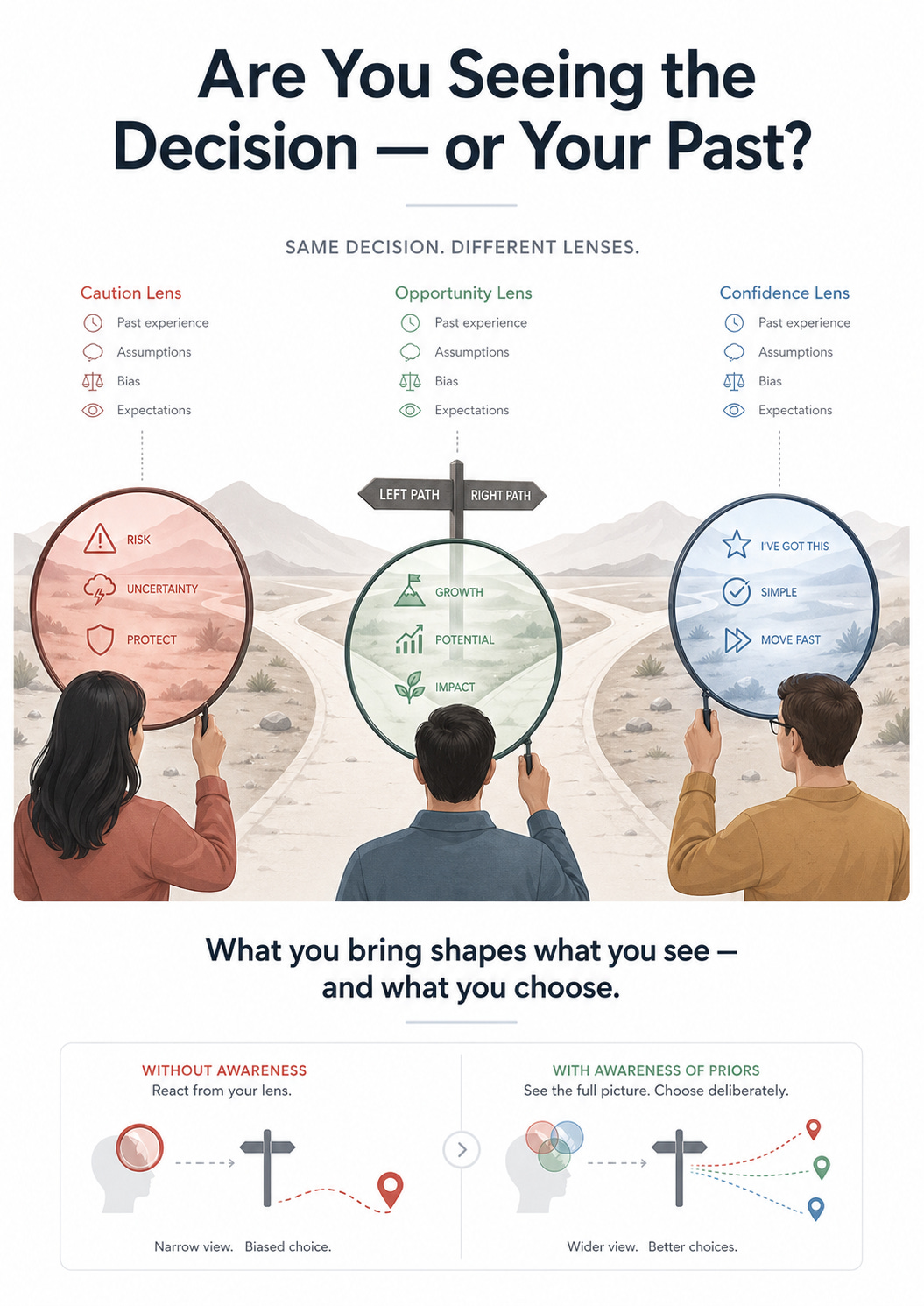
These days, to widen our lenses, we often consult with AI to shed light on blind spots we’ve never considered or have a meeting where stakeholders share their unique perspectives on how to resolve a problem.
When I worked at Nokia, I still remember the first action Stephen Elop, the new CEO, took. He emailed all employees and asked them for their advice by answering this question:
What should we do: start, continue, change, or stop?
It’s an illustrative example of how you can achieve a full-rounded view of a problem by increasing the number of lenses.
The hard part in solving a persistent problem is deciding when it is time to change course or continue fixing.
If you’re still stuck, it could mean that through the lens you’re evaluating what to do, all options are equally pushing.
You may need to reframe your dilemma, or widen your lens, or seek more information.
Reach out if you’d like to chat.
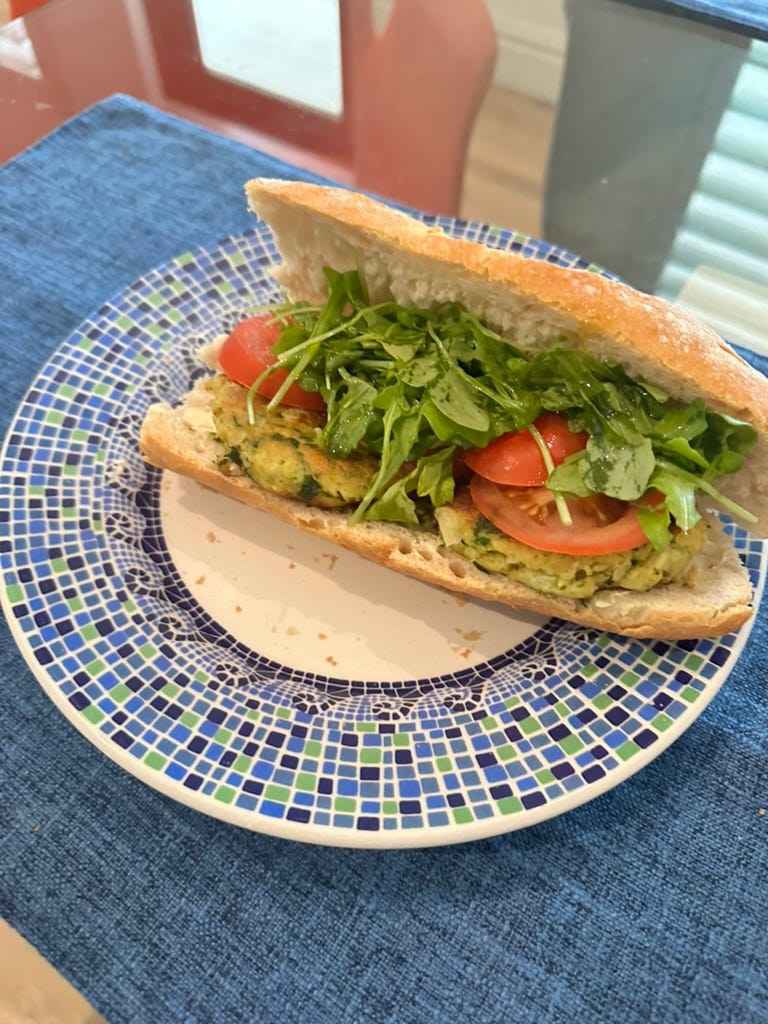
In case you’re wondering, in v 2.0 I filtered out the extra fluids from that dried tomato paste ;)
See you next time!
Best,
- Shlomi
Shlomi Ron
Founder, Visual Storytelling Institute
shlomi@visualstorytell.com | Follow me on Notes
story > visual > emotion > experience